
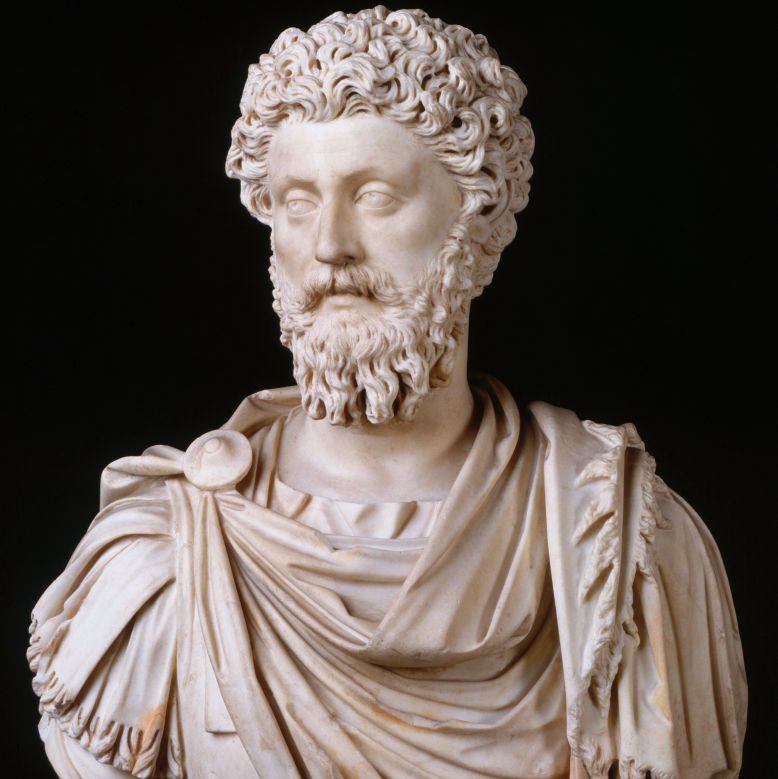
Marcus Aurelius was one of the most remarkable men who ever lived. And this website lives and breathes by its ethos. An emperor who spend half his lives fighting the battles of the Roman emperor, he famously said : even in a castle, one can live well.
Often sick, Marcus Aurelius nevertheless always took the time to write down his thoughts and reflect back on virtue and courage, two fundamental aspects of his philosophy. Philosophy was to Marcus Aurelius was growth is to entrepreneurs, a vocation. So what about the famous stoic would have to say about starting you business?
1. Don’t Forget Virtue as the Sole Good
When starting a business, remember that you are providing a service to fellow members of your community, whether local or global. Focus on building a foundation that prioritizes ethical practices and contributes positively to society. For instance, a business owner should ensure their company operates transparently, treats employees fairly, and offers products or services that truly benefit customers. Developing a company culture that values integrity over shortcuts or unethical gains is essential. Make it about people, always.
Why does that matter? Because shortcuts are bad. I have met many an entrepreneurs who would straight out lie to your face and later rationalise it as some kind of mistake. You would think this is some sort of ridiculous, but the reality is that you have to start with a genuine desire to do good. Oftentimes that simply means telling the truth.
Marcus Aurelius’ View: Our man Marcus would view actions that prioritize ethical conduct and the common good as the hallmark of a good man. Marcus wrote in the Meditations, “Just that you do the right thing. The rest doesn’t matter. Cold or warm. Tired or well-rested. Despised or honored.” This quote underscores the importance of doing what is right regardless of the external circumstances or rewards. Of course this shouldn’t mean ruin yourself for the sake of others, but it should emphazise the need to make right by your customers.
2. Take a cold, calm view at your situation
Nothing is working and everything is getting worse. Got it. Now take a deep breath, and break down your problems into smaller components.
Approach each business decision with careful thought and analysis rather than impulse or emotion. When considering a new venture or strategy, gather as much information as possible, weigh the pros and cons objectively, and consult with trusted advisors to gain different perspectives. This methodical approach ensures that decisions are well-founded and aligned with the business’s long-term goals.
Why does that matter?: Rationality in business is not merely about cold calculations; it’s about maintaining integrity in your decision-making process. Many entrepreneurs are tempted to rely on gut feelings or the heat of passion, which can lead to reckless or biased choices. By committing to an objective and analytical approach, you shield your business from the pitfalls of erratic decisions. This is not just about avoiding bad choices; it’s about reinforcing a culture where every decision is scrutinized and justified in light of data and reasoned argument, creating a stronger, more reliable path to success.
Marcus Aurelius’ View: Marcus would advocate for the use of reason as the guiding principle in all endeavors, including business. He noted, “Everything we hear is an opinion, not a fact. Everything we see is a perspective, not the truth.” This quote highlights the importance of maintaining perspective and relying on rational thought rather than being swayed by opinions or appearances. What this means for you : always making a good, solid case for your decisions, even why nobody is asking. Because at the end of the day, you will always know you did your best with the information you had at the time.
3. What’s Happened Happened
What to Do: As you start and grow your business, focus diligently on your efforts and the quality of your work, understanding that some factors will be beyond your control. For instance, you might launch a product that, despite excellent research and development, fails to capture the market due to unexpected economic downturns or shifts in consumer behavior. In such cases, it’s essential to assess what can be learned from the experience and how to improve, rather than dwelling on the failure itself.

Why does that matter?: Embracing the outcome of your efforts, regardless of success or failure, cultivates a mindset that values growth over results. This perspective is crucial in business, where unpredictable variables can influence outcomes. By focusing on what can be controlled — your actions and reactions — you build resilience and maintain motivation. Acceptance teaches us to learn from every result, reinforcing the idea that each step, whether perceived as a setback or a victory, is integral to the overarching journey of your business.
Marcus Aurelius’ View: Our philosopher emperor would emphasize maintaining a balanced perspective, irrespective of success or failure. Marcus wrote in the Meditations, “Accept whatever comes to you woven in the pattern of your destiny, for what could more aptly fit your needs?” This quote reflects his belief that every experience is an opportunity to learn and grow, and that good can come from any situation, regardless of how it initially appears.
4. Commit To a Force of Good
Products are boring. Commit to the common good of your community first.
Make decisions that reflect a sense of duty to your employees, customers, and the community. For example, if starting a manufacturing business, invest in sustainable practices that protect the environment and provide safe, rewarding jobs for employees. This demonstrates a commitment not only to the longevity of your business but also to the well-being of the wider community.
Why does that matter?: Taking responsibility and acknowledging your duty to your stakeholders creates a foundation of trust and reliability. In a business context, this approach not only enhances your reputation but also solidifies your company’s standing in the community. When a business owner consistently makes decisions that reflect a deep sense of duty to others, it sets a powerful example, strengthening team morale and customer loyalty. This commitment to ethical leadership ensures the business thrives on a bedrock of integrity and respect.
Marcus Aurelius’ View: Marcus would view adherence to duty and responsibility as essential qualities of a leader and a moral individual. He stated, “Never shirk the proper dispatch of your duties, no matter if you are freezing or hot, tired or well-rested, vilified or praised.” This quote underscores the importance of steadfastly fulfilling one’s duties, regardless of external circumstances or personal discomfort.
5. Build your Resilience with Strong Tools
What to Do: Build resilience into every aspect of your business operations. This means being prepared for financial fluctuations, market changes, and operational challenges. For instance, set aside a contingency fund to handle unexpected financial crises, and develop flexible business strategies that can adapt to changing market conditions. Encourage a culture of resilience among your employees by providing them with resources and training to manage stress and adapt to new challenges.
Why does that matter?: The path of entrepreneurship is fraught with challenges that can either forge a stronger venture or lead to its demise. Building resilience allows a business to withstand hardships and emerge stronger. This endurance is essential not just for surviving difficult times but for thriving in a competitive landscape. A resilient mindset enables you to view challenges as opportunities to innovate and adapt, ensuring that the business remains vibrant and capable of seizing new opportunities as they arise.
Marcus Aurelius’ View: Marcus Aurelius would advocate for enduring adversity with a calm and steady demeanor, viewing challenges as part of the natural order and an opportunity for growth. He wrote, “The impediment to action advances action. What stands in the way becomes the way.” This quote embodies the Stoic idea that obstacles should not be viewed as hindrances but as integral paths to developing strength and virtue.
6. Reflective Practice
What to Do: Regularly engage in self-assessment and business review. This involves taking time to reflect on both the successes and failures of the business, learning from each experience. Implement systems to gather feedback from customers and employees, and use this information to make informed improvements. Reflective practice should be an ongoing process, not just an occasional review.
Why does that matter?: Reflective practice is key to continuous improvement and adaptation. In the fast-paced world of business, the ability to pause, review, and adjust is invaluable. This practice allows leaders to identify not only what went wrong but also what went right, fostering a culture of learning and proactive adjustment. By regularly evaluating your strategies and outcomes, you ensure that your business does not stagnate but evolves, staying relevant and effective in meeting the needs of its customers and the demands of the market.
Marcus Aurelius’ View: He would emphasize the importance of continuous self-improvement and learning from one’s experiences. Marcus noted, “Look well into thyself; there is a source of strength which will always spring up if thou wilt always look.” This quote encourages ongoing introspection and learning as essential components of personal and professional growth.
In For Both the Good and the Bad
By embracing these additional Stoic principles, a business leader can create a robust, adaptive, and reflective organization that is not only equipped to handle the challenges of today but also poised for sustainable success in the future. Marcus Aurelius would see this approach as not just practical but deeply aligned with the Stoic commitment to virtue, wisdom, and the betterment of oneself and society.
Pierre Bussières is the Director of Sales with JeemanGo Podcasts and Editor in Chief of Hoppy History. He writes on alcohol markets, Search Engine Optimization, and podcast technologies.
 Uber Optimized