This article will guide you through the key steps to plan your video production like a pro, with an emphasis on storyboarding, content creation, and the overall filmmaking process.
Video production is a fascinating yet complex process that requires a blend of creativity, technical skills, and meticulous planning. Whether you’re an aspiring filmmaker or a seasoned professional, knowing how to effectively navigate the journey from script to screen is essential to delivering a high-quality final product.
1. Pre-Production: Laying the Groundwork
The success of any video project hinges on a strong pre-production phase. Pre-production is where your ideas are fleshed out, logistical details are nailed down, and a solid foundation is built for the entire project. This phase is crucial because it sets the tone for how smoothly the production and post-production phases will go.
Scriptwriting: The Heart of Your Project
The script is the heart and soul of your video production. It’s the foundation upon which your entire project is built. A well-crafted script not only outlines the dialogue but also includes descriptions of the setting, character actions, and key emotions. This is where your storytelling begins, and it’s vital to spend enough time refining the script to ensure it’s compelling and effectively conveys the intended message.
When writing your script, always keep the visual and auditory elements in mind. A video is much more than just spoken words; it’s a combination of visuals, sound, and emotion that works together to tell a story. Think about how each scene will look and sound, and how it will move the story forward.
Storyboarding: Turning Words into Visuals
Once your script is finalized, the next critical step in the pre-production phase is storyboarding. Storyboarding is the process of creating a visual representation of your script, mapping out each shot in sequence. This step is crucial for translating the words on the page into a visual format that will guide your filming process.
Storyboarding helps you visualize the flow of your video, plan camera angles, and identify potential challenges before you start shooting. It’s also an essential tool for communicating your vision to your production team, ensuring that everyone involved is on the same page. A well-executed storyboard can save you time and money during the production phase by preventing costly mistakes and miscommunications.
2. Content Creation: Bringing Your Vision to Life
With your script and storyboard in hand, you’re ready to move on to the content creation phase. This is where your planning starts to come to life, as you begin to gather all the elements needed to produce your video.
Casting: Finding the Right Talent
Casting is a critical component of content creation. The actors you choose will bring your characters to life, so it’s important to select individuals who not only fit the physical description of the characters but also understand the emotional nuances of their roles. Auditions and rehearsals are essential to ensure that the cast is well-prepared and able to deliver the performances that your script demands.
Location Scouting and Set Design: Creating the Perfect Environment
The location of your shoot can significantly impact the overall feel of your video. Whether you’re filming in a studio or on location, it’s important to choose environments that complement your story and are logistically feasible. Location scouting involves visiting potential sites, assessing their suitability for your needs, and securing the necessary permissions to film there.
Set design is equally important, as it helps establish the atmosphere and context of your scenes. Whether you’re working with elaborate sets or simple backdrops, attention to detail is key. Everything from the furniture to the lighting should contribute to the mood and tone you’re trying to convey.
Filmmaking Process: Capturing Your Story
Once everything is in place, it’s time to move into the actual filmmaking process. This is where your vision begins to take shape as you start capturing footage.
Camera Work and Cinematography: Crafting Your Visual Story
Cinematography is the art of visual storytelling. The way you frame and shoot each scene can dramatically affect how your story is perceived by the audience. Consider the composition, camera angles, and movement carefully to create a visually engaging experience. A skilled cinematographer can elevate the quality of your video, ensuring that each shot enhances the narrative.
Lighting and Sound: Setting the Mood
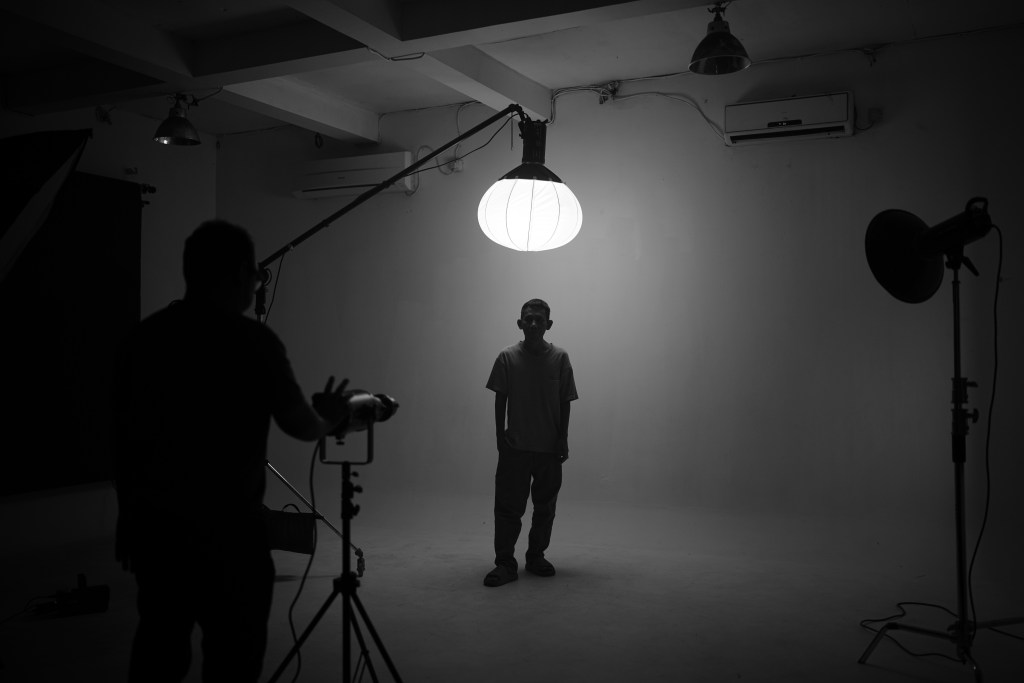
Lighting and sound are two of the most important elements in the filmmaking process. Proper lighting can set the mood, highlight important details, and even influence the emotional tone of a scene. Sound, on the other hand, plays a crucial role in immersing the audience in your story. High-quality sound recording is essential, and the use of sound effects and music should be carefully considered to complement the visuals.
Directing: Guiding Your Team
As a director, your role is to guide the cast and crew, ensuring that everyone is working toward the same vision. Clear communication and strong leadership are essential in this phase. Provide feedback, adjust performances as needed, and make on-the-spot decisions to keep the production on track. A good director knows how to balance the creative and logistical aspects of the production to bring the best out of everyone involved.
3. Post-Production: Shaping the Final Product
After the cameras stop rolling, the real magic of video production happens in the post-production phase. This is where all the pieces come together to create the final product.
Editing: The Art of Assembly
Editing is where your story truly takes shape. The editor’s job is to sift through the raw footage, selecting the best takes and arranging them in a sequence that tells the story effectively. This process involves cutting and trimming scenes, adding transitions, and ensuring that the pacing keeps the audience engaged.
Editing also allows you to address any issues that arise during filming. Whether it’s adjusting the timing of a scene or correcting a visual mistake, editing allows you to fine-tune your video until it perfectly aligns with your vision. Tools like color grading and special effects can also be employed to enhance the overall look and feel of your video.
Visual Effects and Color Grading: Enhancing the Visual Experience
If your video requires visual effects (VFX), this is the stage where they are added. VFX can range from simple enhancements, like adding a bit of sparkle to a scene, to complex CGI elements that completely alter the visual landscape. It’s important to ensure that these effects are seamlessly integrated into the footage and contribute to the story rather than distract from it.
Color grading is another critical aspect of post-production. It involves adjusting the colors and contrast of your footage to achieve a consistent and aesthetically pleasing look. The right color grading can enhance the mood of your video, making scenes appear warmer, cooler, or more vibrant, depending on the desired effect.
Sound Design and Music: Creating the Soundscape
Sound design involves adding, enhancing, or replacing audio elements to create the desired auditory experience. This includes everything from dialogue to sound effects to ambient noise. Music is also a powerful tool in video production, capable of evoking emotions and setting the tone. Choose music that complements your visuals and enhances the storytelling.
Finalizing and Distribution: Reaching Your Audience
Once all the elements are in place, it’s time to finalize your video. This involves exporting the video in the appropriate format and resolution for your intended platform, whether it’s for online streaming, television, or theatrical release.
Distribution is the final step in the filmmaking process. Depending on your goals, this could involve uploading the video to social media, submitting it to film festivals, or releasing it on a streaming platform. A well-planned distribution strategy ensures that your video reaches the right audience and achieves the desired impact. For professional assistance with video production and distribution, you might consider platforms like Uberflix Studio, which offers a range of services tailored to filmmakers and content creators.
Mastering the Art of Video Production
From script to screen, video production is a complex and rewarding process that requires careful planning and execution. By mastering each stage: pre-production, content creation, and post-production, you can bring your vision to life and create videos that captivate and inspire. Storyboarding, content creation, and a thorough understanding of the filmmaking process are the keys to planning your video production like a pro. Whether you are crafting a short film, a commercial, or a corporate video, these principles will guide you to success. Remember, every detail matters, from the initial script to the final cut, and with the right approach, your video can truly stand out.
Pierre-Olivier Bussières is the Director of Sales with Uber Flix Studio and Editor-in-Chief of Hoppy History. He writes on alcohol markets, Search Engine Optimization, and podcast technologies. He previously wrote for Global Risk Insights, the Diplomat, Reflets, La Montagne des Dieux, the NATO Association of Canada, Diplomatie, and Le Temps d’une Bière.
 Uber Optimized