The gap between Canada and other developed countries is widening. A quick glance at per capita GDP trends shows that the land of the maple leaf is rotting on its branch. Recently, a G7 report projected that Canada would have the slowest growth among the group of rich countries over the next 40 years.
Lowest Per Capita GDP Growth in the OECD
From an economic standpoint, troubling prospects also loom. According to the Organisation for Economic Co-operation and Development (OECD), Canada risks experiencing the slowest per capita GDP growth among G20 countries between 2021 and 2060. Since 2020, the average annual growth of per capita GDP has decreased by 1.3%, in stark contrast to the average increase of 1.2% recorded between 1981 and 2019. Moreover, in 2023, the median after-tax income of families and single individuals in Canada was $70,500, a decline of 3.4% compared to 2021 after adjusting for inflation. These indicators reveal stagnation in the relative economic enrichment of the population.
Federal Deficit and Declining Salaries
Meanwhile, the federal government has announced a $60 billion deficit, doubling the deficit over the past 10 years. Canadians now earn less than 60% of the average American salary, while residents of the country’s richest province, Ontario, earn less on average than those in the poorest U.S. state. The very public resignation of Canadian Deputy Prime Minister and Finance Minister Chrystia Freeland illustrates the excesses of federal spending. In her public letter, she indirectly accused the Trudeau government of frivolous expenditures.
Example of Mismanagement: Rainbow Overload
The 2023 Hunger Report from Québec’s Food Banks (BAQ) reveals an alarming increase in the number of people relying on food aid. Between 2019 and 2023, this number rose from 503,000 to 872,000 per month, a 73% increase. During the same period, the number of food baskets distributed nearly doubled, reaching 682,000 per month—an increase of 98%. These statistics highlight a notable deterioration in living conditions for many Quebecers.
Inflation and Inequality
Other factors exacerbate this grim picture. Inflation, officially measured at 2%, has disproportionately affected grocery prices, which have risen by over 25% since 2020. This increase weighs heavily on household budgets. Furthermore, inequalities persist: savings are concentrated among the wealthiest households, while low-income families continue to struggle to make ends meet.
But the straw that breaks the camel’s back may just as well be cultural. Canada’s economy has been lagging for years due in large part to complacency. Most of the countries’ productive sectors are dominated by 2 or 3 companies, creating near monopoly situations that kill off innovation, leading to complacency. In contrast, the U.S. economy is much more competitive regardless on which economic indicator you use.
This translates into lower research & development in Canada compared to the U.S., lower intellectual property and lower investment in gears and machinery. Canadians don’t nearly invest as much in business as their U.S. counterparts. Rather, they invest much more heavily on real estate, which creates capital, but not jobs. Over the past ten years, housing investments represented 34.1% of total investments in Canada, compared to 18.5% in the United States.
Debt Challenges
Debt is also a significant issue. Quebecers owe an average of $1.50 for every dollar they earn. Additionally, Quebec’s net debt-to-GDP ratio exceeds that of Ontario, signaling a heavier financial burden relative to its economic output. Finally, the average wealth of Quebecers represents only 74% of that of other Canadians, underscoring a significant gap in accumulated wealth.
Despite some individual cases of economic improvement, the overall situation shows that the majority of Quebecers still face substantial challenges. Persistent inflation, structural inequalities, and mounting debt leave much work to be done before everyone can share in genuine economic prosperity.
The Burden of Public Debt
High public debt levels, like those in Canada and Quebec, have direct repercussions on citizens’ economic lives. As debt rises, interest rates increase, making borrowing more expensive for governments, businesses, and households. This added cost is reflected in higher prices, making essentials more expensive. Furthermore, if the government opts to print money to ease the debt burden, the currency’s value declines, driving inflation and raising the cost of essentials like groceries.
The debt burden also translates to potential increases in taxes and levies, as citizens ultimately bear the cost of balancing public accounts. Finally, with a significant portion of budgets allocated to debt servicing, investments in essential services like schools, roads, and hospitals suffer, directly affecting collective quality of life.

Top 50 Free Directories for Quality Backlinks in 2025
Link building is an essential strategy to draw more traffic through search engines. Here are top directories where you can register your website for free!

The Fallacy of EV Carbon Footprint Reduction
The Hidden Environmental Costs of Electric Vehicle Manufacturing
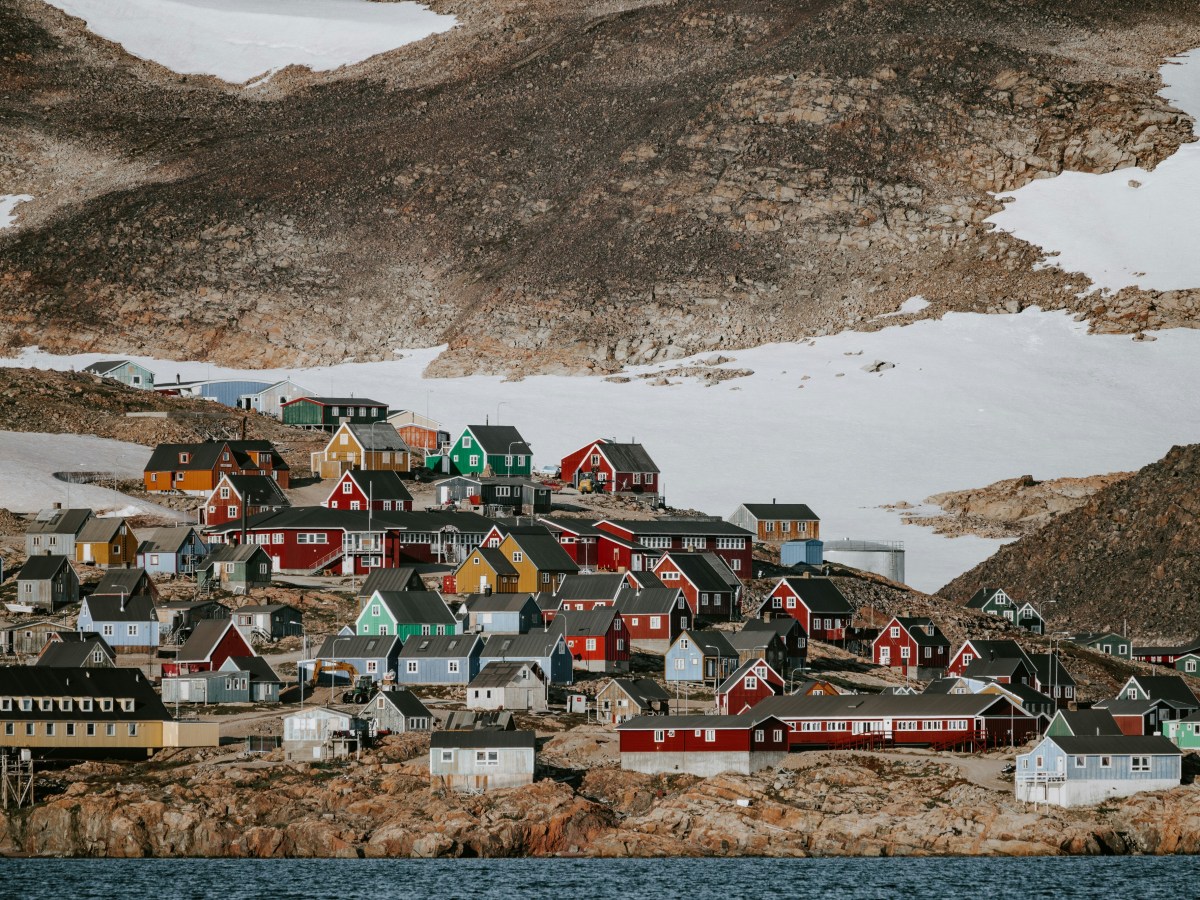
Greenland: The Arctic Jewel in Trump’s Eye
Greenland, a strategically located Arctic territory, has gained global attention due to its vast untapped mineral resources. Former President Trump’s interest in purchasing Greenland highlighted its geopolitical significance. Rich in critical metals like nickel, cobalt, and rare earth elements, Greenland offers lucrative opportunities for investors, particularly in the tech and renewable energy sectors. High-profile figures…
 Uber Optimized