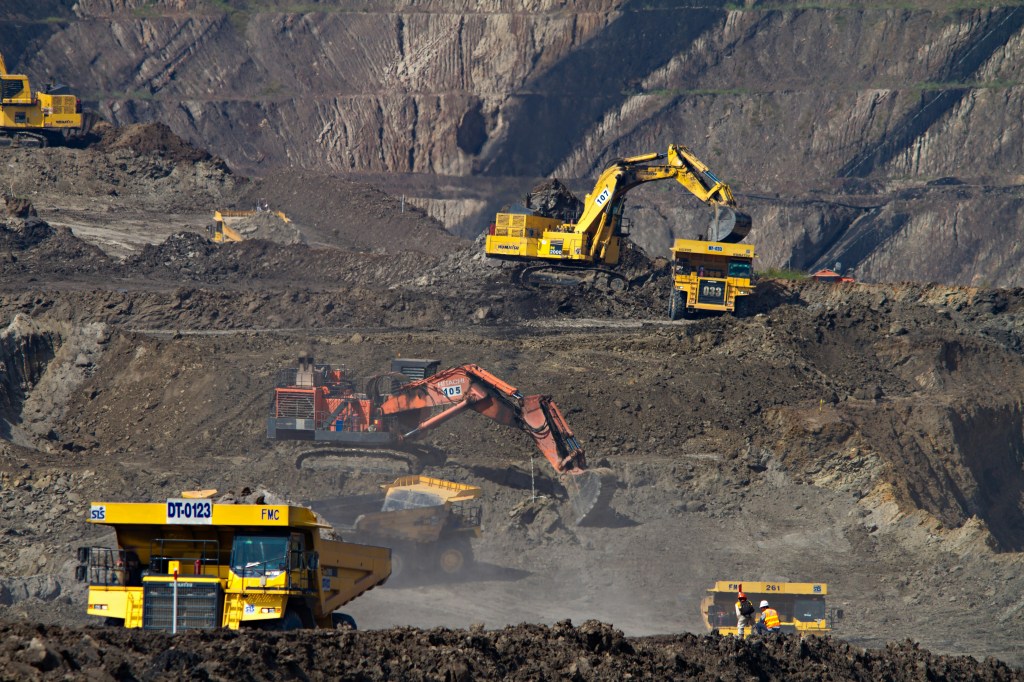
Mining companies have long been the backbone of industrial progress, providing the raw materials that fuel everything from technological innovations to everyday consumer goods. Yet, as the demand for rare resources increases, so do the challenges of extracting them efficiently and sustainably. Enter AI—the game-changing technology that’s shaking things up in the mining sector. But how exactly is AI used by mining companies to improve extraction of rare resources? Let’s dig in.
The Growing Role of AI in Mining
AI is no longer just the stuff of sci-fi movies; it’s a powerful tool that’s making waves across various industries, and mining is no exception. Here’s how AI is being leveraged:
- Predictive Maintenance: AI algorithms can predict equipment failures before they occur, reducing downtime and optimizing maintenance schedules. This not only saves time and money but also extends the lifespan of expensive machinery.
- Exploration and Discovery: Machine learning models analyze geological data to identify potential mining sites. These AI-driven insights lead to more targeted exploration, minimizing environmental impact and increasing the chances of discovering valuable deposits.
- Ore Sorting and Processing: Advanced AI systems can sort and process ores more efficiently than traditional methods. By analyzing mineral compositions in real-time, AI ensures that only high-quality materials proceed to the next production stage, reducing waste and boosting productivity.
AI and Rare Resource Extraction
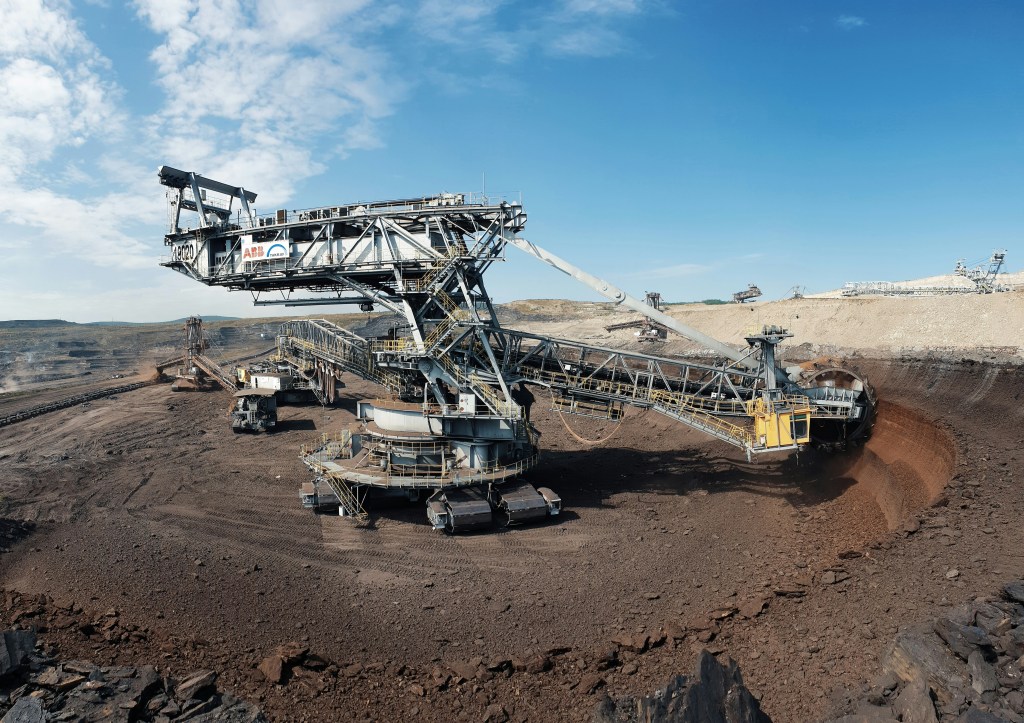
The extraction of rare resources, such as lithium, cobalt, and rare earth elements, presents unique challenges. These materials are crucial for technologies like electric vehicles and renewable energy systems. Here’s how AI is used by mining companies to improve extraction of rare resources:
- Enhanced Resource Estimation:
- AI models can predict the quantity and quality of resources in a given area with unprecedented accuracy. This allows companies to plan more effective extraction strategies, ensuring that every effort yields maximum returns.
- Precision Drilling:
- Advanced AI algorithms guide drilling operations with pinpoint accuracy, reducing the risk of costly errors and minimizing environmental disruption. Precision drilling also enhances safety by avoiding unstable rock formations.
- Real-Time Monitoring:
- AI-powered sensors provide continuous feedback on mining conditions, enabling instant adjustments to extraction techniques. This real-time data helps optimize resource recovery while minimizing waste and environmental impact.
The Environmental Edge
Sustainability is a hot topic in mining, and AI offers significant environmental benefits:
- Reduced Carbon Footprint: AI-driven optimization leads to more efficient resource use, reducing the energy consumption and carbon emissions associated with mining operations.
- Biodiversity Protection: By minimizing the area disturbed during exploration and extraction, AI helps preserve local ecosystems and biodiversity.
- Waste Management: AI systems improve waste sorting and recycling processes, enhancing the recovery of valuable materials and reducing landfill contributions.

Challenges and Considerations
While AI offers promising solutions, it’s not without its challenges:
- High Initial Costs: Implementing AI technologies requires significant upfront investment, which can be a barrier for smaller companies.
- Data Privacy and Security: Safeguarding sensitive geological and operational data is crucial as AI systems become more integrated into mining operations.
- Skills Gap: The adoption of AI in mining necessitates a workforce skilled in both mining and data science, highlighting the need for targeted training and education programs.
FAQs
Q: How does AI improve safety in mining? A: AI enhances safety by predicting equipment failures, guiding precise drilling operations, and providing real-time monitoring, all of which reduce risks to workers.
Q: Can AI help in reducing the environmental impact of mining? A: Absolutely. AI optimizes resource extraction processes, reducing energy use, waste, and land disturbance, which collectively lessen the environmental footprint of mining operations.
Q: What are the barriers to AI adoption in the mining industry? A: Key barriers include high initial costs, data security concerns, and a skills gap in AI and data science expertise among the workforce.
Conclusion
AI is revolutionizing how mining companies approach the extraction of rare resources, offering unprecedented efficiency, precision, and sustainability. While challenges remain, the potential benefits of AI-driven mining are too significant to ignore. As the technology continues to evolve, it promises to usher in a new era of smarter, greener, and more efficient resource extraction. So, what’s next for AI in the mining industry? Only time will tell, but one thing’s for sure—it’s an exciting time to be a part of this technological transformation.


 Uber Optimized