
Introduction: In the world of precious metals, platinum stands out not only for its value but also for its unique properties. Whether you’re a jewelry enthusiast, a tech geek, or a curious mind, understanding how to identify platinum can be both fascinating and practical. This guide takes you through a tech-savvy journey of identifying platinum, leveraging modern techniques and tools.
Understanding Platinum
Platinum is a dense, malleable, and highly unreactive metal known for its silvery-white appearance. It belongs to the platinum group of metals and is often used in jewelry, automotive catalytic converters, and various industrial applications due to its resistance to corrosion and high melting point.
Discovered in the 18th century, platinum was initially considered a nuisance by Spanish explorers who encountered it while mining for gold in South America. However, its unique properties quickly garnered attention, leading to its widespread use in various industries.
Physical Characteristics of Platinum
Platinum is significantly denser than most metals, including gold and silver. This density gives it a substantial weight, making it feel heavier than other metals of the same size. For example, a platinum ring will feel heavier than a similar-sized gold ring.
Platinum has a naturally bright, white luster that does not tarnish over time. This characteristic makes it a popular choice for jewelry, as it maintains its shine without the need for frequent polishing.
Modern Techniques for Identifying Platinum
Platinum is non-magnetic, meaning it will not be attracted to a magnet. This simple test can help differentiate platinum from metals that are magnetic or contain magnetic alloys.
While not recommended for amateurs, the acid test involves applying a small drop of nitric acid to the metal. Platinum will not react, while other metals may show signs of corrosion or color change.
For those with access to advanced tools, spectroscopy can accurately identify platinum by analyzing the wavelengths of light absorbed by the metal. This method is precise and often used in industrial settings.
Recent scientific advancements have revolutionized the identification of platinum metal, making the process more precise and efficient. Spectroscopy techniques, such as X-ray Fluorescence (XRF) and Inductively Coupled Plasma Mass Spectrometry (ICP-MS), have become pivotal in this field. XRF offers a non-destructive way to determine the elemental composition of platinum, widely used in the jewelry industry for its speed and accuracy. Meanwhile, ICP-MS provides precise measurements of platinum concentration, making it ideal for both industrial and research applications, ensuring that even trace amounts of platinum can be accurately identified.
The integration of machine learning and artificial intelligence (AI) has further enhanced platinum identification methods. AI algorithms are now capable of analyzing spectral data with high accuracy, processing large datasets quickly, and improving the efficiency of identification processes across various settings. Additionally, the development of portable analytical devices has made on-site analysis more accessible. These handheld tools, a result of advances in miniaturization, allow for quick assessments in the field, providing immediate results without the need for extensive laboratory equipment. In some cases, these devices are also capable of identifying other metals like cobalt and molybdenum, showcasing their versatility and broad application in metal analysis.
Nanotechnology and electrochemical methods are also playing a crucial role in the evolution of platinum identification. Researchers are leveraging nanotechnology to create nanosensors that enhance the sensitivity and specificity of detection methods, capable of identifying trace amounts of platinum in complex matrices. Concurrently, new electrochemical techniques are being refined to offer low-cost, real-time analysis of platinum. These innovations collectively contribute to a more accessible, accurate, and efficient identification process, benefiting industries ranging from jewelry to automotive and beyond.
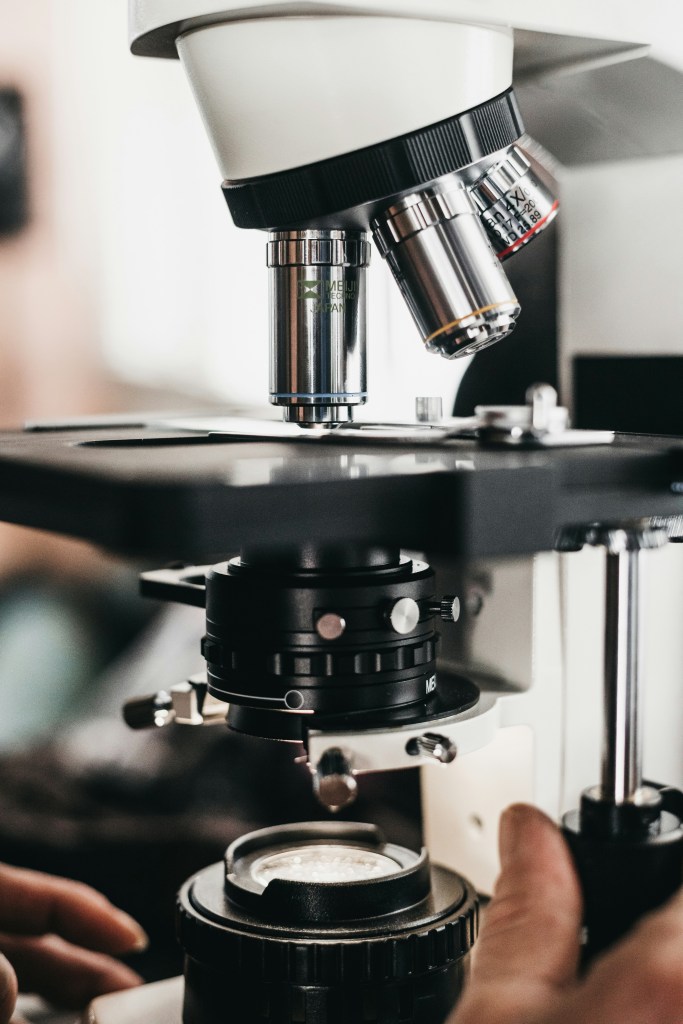
Section 4: Identifying Platinum in Jewelry
Most platinum jewelry is stamped with a hallmark indicating its purity. Common stamps include “PT” or “PLAT,” followed by a number indicating the percentage of platinum (e.g., 950 for 95% platinum).
Platinum and white gold may appear similar, but platinum is denser and more durable. Additionally, white gold is often plated with rhodium to enhance its appearance, while platinum maintains its natural luster.
The Role of Technology in Platinum Identification
With advancements in AI and machine learning, new tools are emerging that can identify metals based on visual and physical characteristics. These tools offer quick and accurate identification, making them valuable for jewelers and collectors.
Several apps are available that provide information on precious metals, including platinum. These platforms offer resources for both hobbyists and professionals, enhancing the metal identification process.
Identifying platinum metal requires a blend of traditional knowledge and modern technology. By understanding its physical characteristics and leveraging advanced tools, anyone can become proficient in recognizing this valuable metal. Whether you’re a tech enthusiast or a jewelry lover, the journey to identifying platinum is both educational and rewarding.

Top 50 Free Directories for Quality Backlinks in 2025
Link building is an essential strategy to draw more traffic through search engines. Here are top directories where you can register your website for free!


The Fallacy of EV Carbon Footprint Reduction
The Hidden Environmental Costs of Electric Vehicle Manufacturing

Greenland: The Arctic Jewel in Trump’s Eye
Greenland, a strategically located Arctic territory, has gained global attention due to its vast untapped mineral resources. Former President Trump’s interest in purchasing Greenland highlighted its geopolitical significance. Rich in critical metals like nickel, cobalt, and rare earth elements, Greenland offers lucrative opportunities for investors, particularly in the tech and renewable energy sectors. High-profile figures…
 Uber Optimized