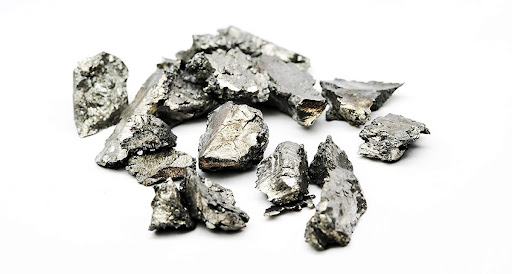
Yttrium(III) Oxide, often referred to as Y2O3, is a compound that plays a crucial role in various industrial applications. Known for its unique properties, Yttrium Oxide is a subject of interest for many researchers and industry professionals. In this article, we’ll explore its applications, benefits, and address some common questions and concerns, while also touching on its relationship with other elements like platinum and cobalt.
What is Yttrium(III) Oxide?
Yttrium(III) Oxide is a white, water-insoluble powder that is the most stable form of yttrium in air. It is widely used in materials science due to its high melting point and thermal stability.
Applications of Yttrium(III) Oxide
- Electronics and Optics: Yttrium Oxide is used in the production of phosphors for color television tubes and LEDs. Its optical properties make it valuable in laser and optical applications.
- Ceramics: It is a key component in the production of yttria-stabilized zirconia, which is used in high-temperature applications and as a thermal barrier coating.
- Metallurgy: Yttrium Oxide is used to improve the strength and workability of various metals.
Benefits of Using Yttrium(III) Oxide
- Thermal Stability: Its ability to withstand high temperatures makes it ideal for use in high-temperature environments.
- Corrosion Resistance: Yttrium Oxide provides excellent resistance to corrosion, enhancing the durability of materials.
- Optical Clarity: Its transparency in the infrared spectrum is beneficial for optical applications.
Common Questions About Yttrium and Yttrium Oxide
- What are the safety concerns associated with Yttrium Oxide? Yttrium Oxide is generally considered safe when handled properly. However, like many industrial compounds, it can pose health risks if inhaled or ingested in large quantities. Proper safety measures should always be followed.
- How is Yttrium Oxide produced? It is typically produced through the calcination of yttrium compounds, such as yttrium nitrate or yttrium carbonate.
- What are the environmental impacts of Yttrium Oxide? While Yttrium Oxide itself is not harmful to the environment, the mining and processing of yttrium can have environmental impacts. Sustainable practices are essential to minimize these effects.
Common Problems and Solutions
- Handling and Storage: Yttrium Oxide should be stored in a dry, cool place to prevent moisture absorption, which can affect its properties.
- Cost and Availability: As a rare earth element, yttrium can be expensive and subject to supply chain fluctuations. Exploring alternative sources and recycling can help mitigate these issues.
Top Drivers for Yttrium Demand in the Next Five Years
Here are some key areas where Yttrium demand is expected to grow:
- Electronics and Optoelectronics: As technology continues to advance, the demand for Yttrium in electronics, particularly in the production of LEDs, phosphors for displays, and laser materials, is expected to rise. The increasing adoption of energy-efficient lighting and display technologies will drive this demand.
- Renewable Energy: Yttrium is used in the production of certain types of solar panels and wind turbine components. As the world shifts towards renewable energy sources, the demand for materials that enhance the efficiency and durability of these technologies will likely increase.
- Automotive Industry: With the growing trend towards electric vehicles (EVs), Yttrium’s role in improving battery performance and efficiency could see increased demand. Additionally, its use in lightweight and high-strength materials for automotive applications may contribute to this growth.
- Medical Applications: Yttrium is used in various medical applications, including cancer treatment (radioisotopes) and medical imaging. As healthcare technology advances, the demand for Yttrium in these areas may expand.
- Aerospace and Defense: The aerospace and defense sectors utilize Yttrium in high-temperature and corrosion-resistant materials. As these industries continue to innovate and expand, the demand for Yttrium-based materials is expected to grow.
- Advanced Ceramics and Glass: Yttrium is a key component in advanced ceramics and glass used in various industrial applications. The demand for these materials is likely to increase as industries seek more durable and efficient solutions.
Conclusion
Yttrium(III) Oxide is a versatile compound with a wide range of applications. Understanding its properties, benefits, and potential concerns can help industries make informed decisions about its use. As technology advances, the demand for Yttrium Oxide is likely to grow, making it an exciting area of study and application.

 Uber Optimized