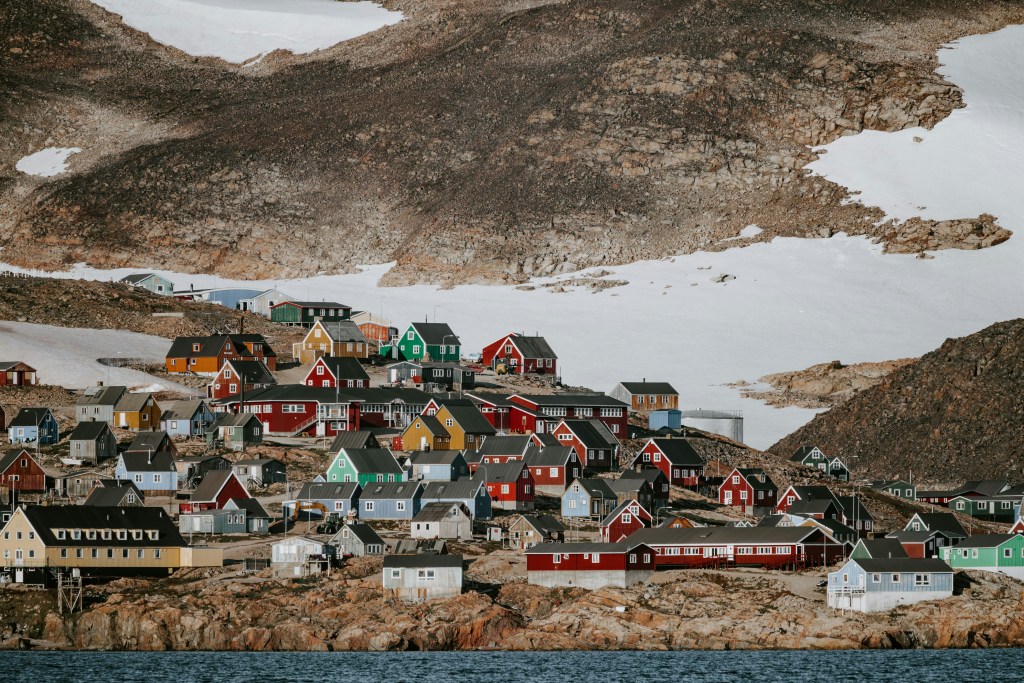
Greenland, a vast icy expanse, has recently captured the attention of global leaders, including former President Donald Trump. His interest in purchasing this autonomous Danish territory was met with surprise and skepticism. Yet, beneath Greenland’s icy surface lies a treasure trove of untapped mineral resources, making it a strategic asset in the geopolitics of the Arctic.
Why Greenland Matters
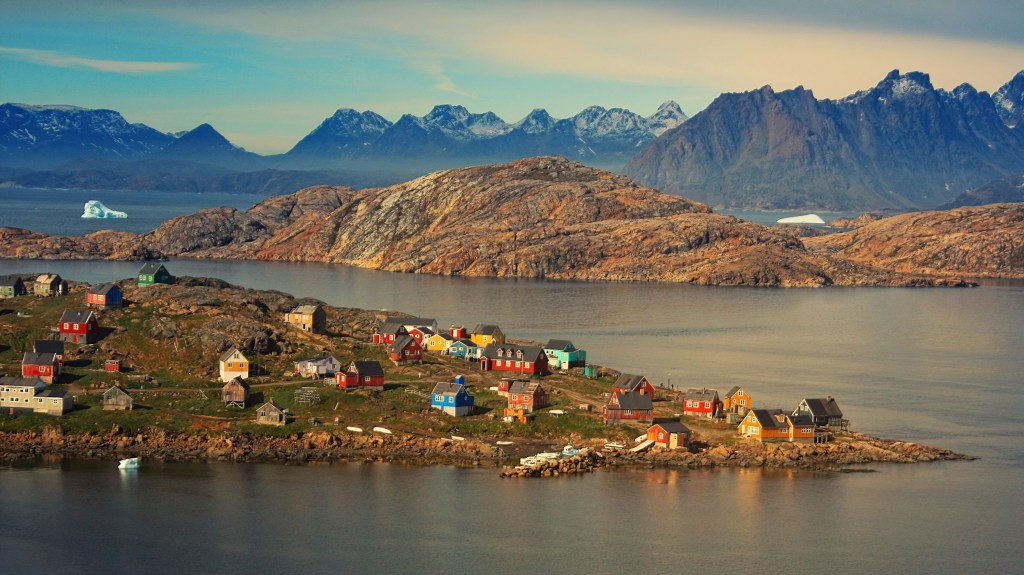
Greenland occupies a pivotal position in the Arctic, a region increasingly accessible due to climate change. As the largest non-continental island in the world, it serves as a gateway between the North Atlantic and the Arctic Ocean. Politically, Greenland is part of the Kingdom of Denmark, enjoying self-governance since 1979, yet Denmark handles its foreign affairs and defense.
Trump’s interest in Greenland was not an isolated whim. Historically, the U.S. has maintained a strategic military presence in Greenland, notably at Thule Air Base. The Arctic’s melting ice caps have unveiled new shipping routes and potential economic resources, prompting Trump’s audacious proposal in 2019 to buy Greenland from Denmark, a move that was swiftly rebuffed.
The World’s Biggest Riches
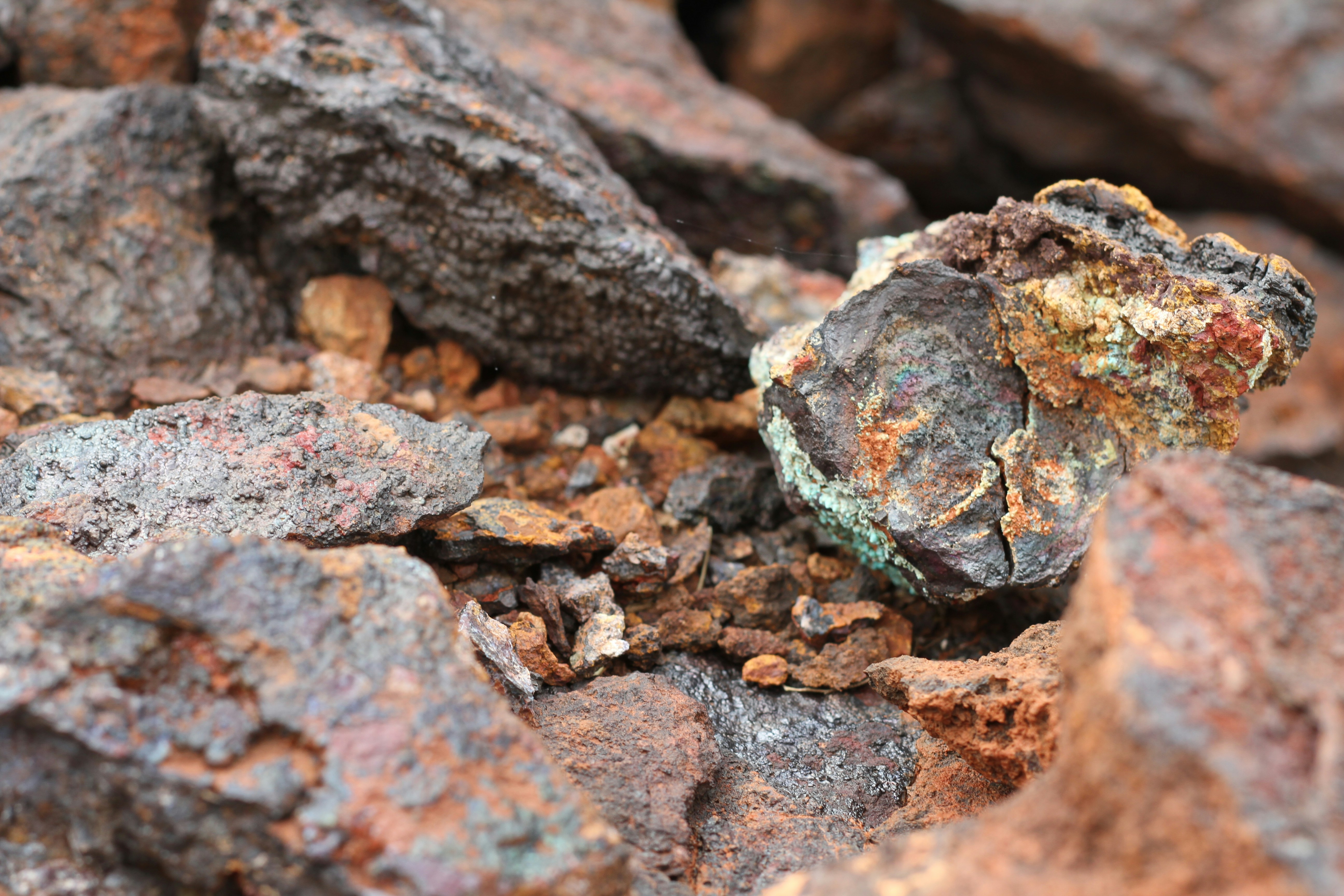
The allure of Greenland lies not only in its strategic location but also in its abundant mineral resources. The island is rich in critical metals such as nickel, cobalt, platinum, and a variety of rare earth elements. These minerals are essential for modern technologies, including smartphones, electric vehicles, and renewable energy systems.
Rare earth elements, in particular, hold significant geopolitical importance. Greenland’s reserves could potentially reduce global reliance on China, which currently dominates the rare earth market. As global demand for these elements increases, Greenland’s untapped resources present a lucrative opportunity for international investors and mining companies.
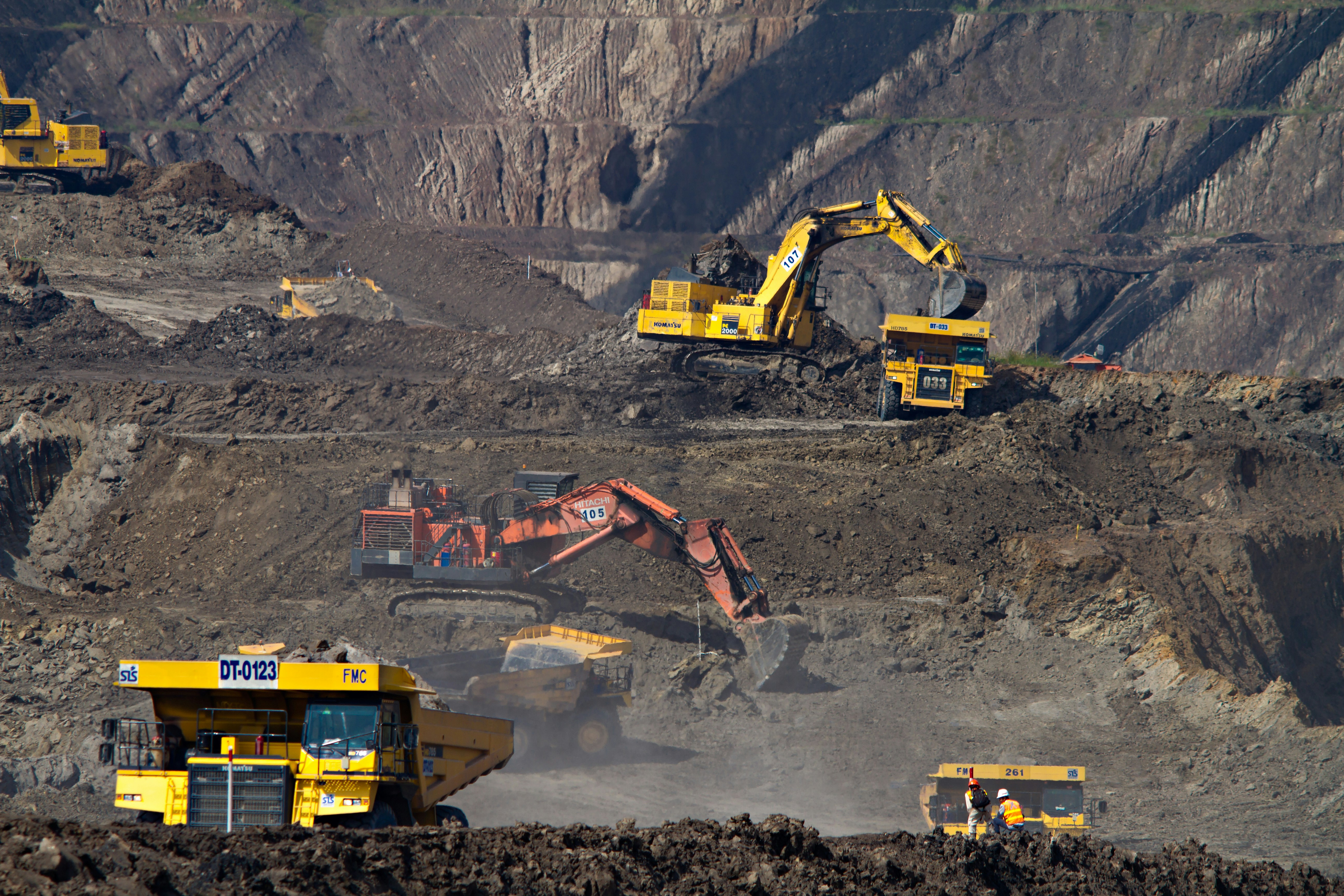
In recent years, Greenland has experienced a notable increase in mining activities, driven by both technological advancements and global demand for critical minerals. The island’s mineral wealth has attracted significant international attention, with investments pouring in from various corners of the globe.
According to recent data, Greenland’s mineral exploration sector has seen an annual growth rate of approximately 15% since 2020. This surge is largely attributed to the rising global demand for rare earth elements and other critical minerals, which are essential for the production of high-tech devices and renewable energy technologies.
High-profile investors, including tech giants like Jeff Bezos and Bill Gates, have recognized Greenland’s potential and invested in AI-driven mining projects. These initiatives aim to leverage artificial intelligence and machine learning to improve the efficiency and accuracy of mineral exploration. The use of AI technology is expected to reduce exploration costs by up to 30%, making it a more attractive venture for investors.

The Greenlandic government has also reported a 25% increase in mining licenses issued over the past five years, reflecting growing interest in the region’s mineral resources. In 2024 alone, Greenland exported over 10,000 tons of minerals, generating approximately $500 million in revenue. This figure represents a 40% increase compared to the previous year, highlighting the rapid expansion of the mining sector.
Despite the economic benefits, the acceleration of mining projects in Greenland raises environmental and social concerns. The Arctic’s fragile ecosystem is at risk, and indigenous communities have expressed apprehension about the potential impact on their traditional lands and livelihoods. As Greenland navigates these challenges, the need for sustainable and responsible mining practices becomes increasingly critical.
Conclusion: Greenland stands at a crossroads, balancing the promise of economic prosperity against the need to preserve its unique environment. Trump’s interest in Greenland may have been dismissed as fanciful, but it has spotlighted the island’s strategic and economic value. As global powers eye the Arctic, Greenland’s future will undoubtedly play a crucial role in the evolving geopolitics of the region.


 Uber Optimized